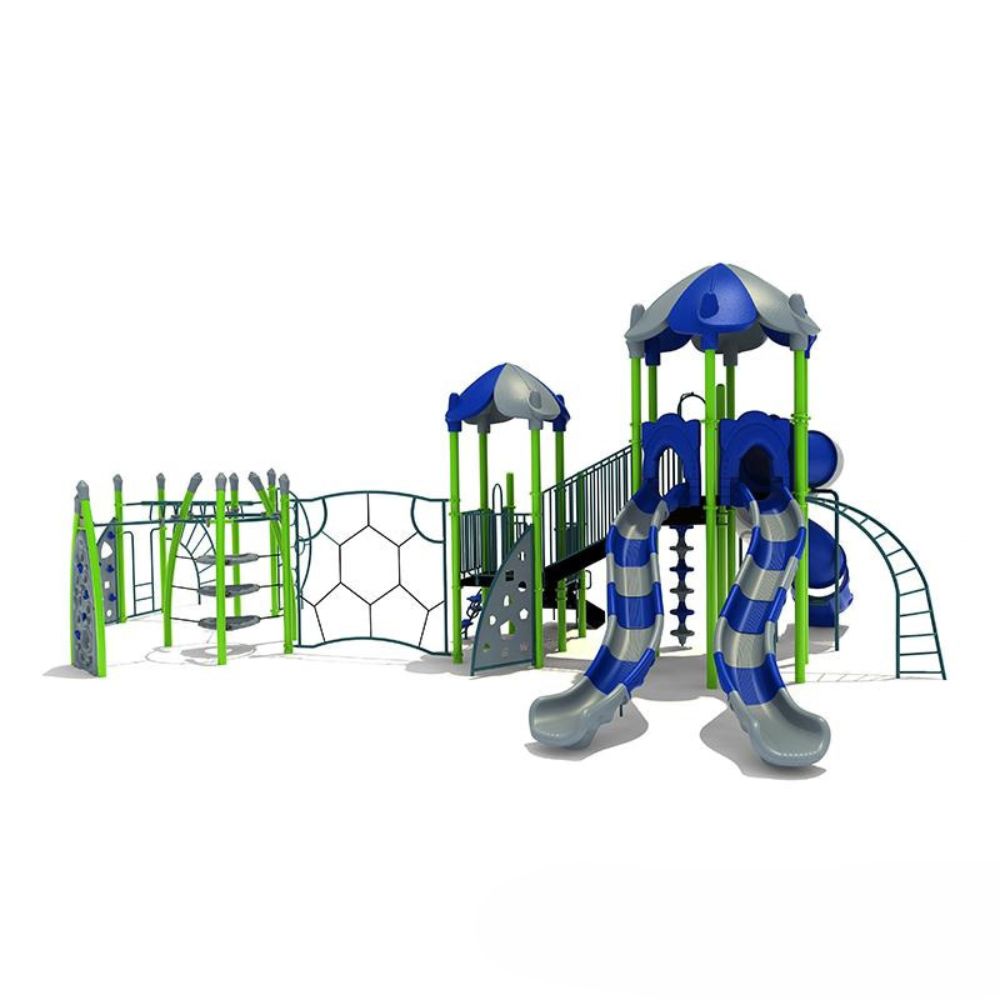
Urban development is a complex puzzle, with residential areas and commercial playgrounds representing two crucial pieces. Residential areas provide homes and communities, while commercial playgrounds offer spaces for economic activity and recreation. Striking the right balance between these elements is essential for creating sustainable, livable urban environments. In this article, we will explore the significance of both residential areas and commercial playgrounds, their interplay, and the importance of thoughtful urban planning.
Residential Areas: The Heart of Urban Living
Residential areas are the backbone of any city or town, serving as places where people live, raise families, and build communities. The design, layout, and amenities of residential areas play a critical role in shaping the quality of life for their residents.
- Community Building
Residential areas foster a sense of belonging and community. Neighbors interact, form bonds, and support one another, creating a network of relationships that can positively impact mental and emotional well-being. Community centers, common green spaces, and social events all contribute to this sense of togetherness.
- Quality of Life
The quality of life in residential areas is influenced by factors like housing affordability, safety, access to essential services, and proximity to work and schools. Thoughtful urban planning ensures that these elements are considered, leading to well-designed neighborhoods that enhance residents’ overall well-being.
- Privacy and Tranquility
Residential areas offer residents a private and tranquil environment away from the hustle and bustle of commercial activity. This separation provides a space for relaxation and quiet reflection, crucial for maintaining mental health in a fast-paced urban setting.
Commercial Playgrounds: Engines of Economic Activity
Commercial playgrounds, on the other hand, are the economic drivers of urban environments. These areas host businesses, offices, shopping centers, and entertainment venues, contributing to job creation, economic growth, and revenue generation for the city.
- Job Opportunities
Commercial playgrounds are hubs for employment opportunities. They provide a diverse range of jobs, from retail and hospitality positions to corporate offices and startups. Employment opportunities in commercial areas attract a diverse workforce and contribute to a city’s economic vitality.
- Economic Growth
Businesses in commercial playgrounds generate tax revenue for local governments, which can be reinvested in public infrastructure and services. This revenue is essential for maintaining and improving the overall quality of life in residential areas.
- Convenience and Entertainment
Commercial areas offer convenience by providing access to essential goods and services. They also serve as entertainment hubs, with theaters, restaurants, and shopping centers, enhancing the overall urban experience. Residents can enjoy cultural activities and leisure options close to home.
Balancing Act: The Importance of Urban Planning
The challenge for urban planners and policymakers is to strike a harmonious balance between residential areas and commercial playgrounds. This balance is crucial for creating livable, sustainable, and vibrant urban environments that cater to the needs of both residents and businesses.
- Mixed-Use Development
One approach to achieving this balance is through mixed-use development. Mixed-use zoning allows for the coexistence of residential and commercial spaces within the same area. This concept promotes walkability, reduces commute times, and fosters a sense of community by integrating workplaces, shopping, and recreation into one neighborhood.
- Infrastructure and Transportation
Effective urban planning must prioritize infrastructure and transportation. Well-designed roads, public transportation systems, and pedestrian-friendly pathways connect residential and commercial areas, ensuring accessibility for residents and visitors alike.
- Public Spaces and Amenities
Public spaces, parks, and recreational facilities are essential components of urban planning. These areas provide residents in both residential and commercial zones with places to unwind, exercise, and socialize. Thoughtfully designed public spaces can enhance the overall urban experience.
- Sustainability and Green Spaces
Balancing the built environment with green spaces is crucial for maintaining environmental sustainability. Urban planners should prioritize green infrastructure, including parks, rooftop gardens, and tree-lined streets, to mitigate the urban heat island effect and promote biodiversity.
Challenges and Considerations
While balancing residential areas and commercial playgrounds is essential, it is not without its challenges and considerations:
- Gentrification
The process of gentrification, where rising property values push out long-term residents, can result from urban development. It is vital to address the needs of existing communities and provide affordable housing options to ensure inclusivity.
- Traffic Congestion
Increased commercial activity can lead to traffic congestion and pollution. Urban planners must implement sustainable transportation solutions, such as public transit and cycling infrastructure, to mitigate these issues.
- Zoning Regulations
Striking a balance may require revisiting and revising zoning regulations to accommodate mixed-use developments and ensure that commercial spaces complement residential areas.
Conclusion
The coexistence of residential areas and commercial playgrounds is at the heart of sustainable urban living. While residential areas provide homes, community, and tranquility, commercial playgrounds drive economic growth and offer convenience and entertainment. Urban planners and policymakers must navigate the challenges and complexities of urban development to strike the right balance between these two crucial components. Thoughtful urban planning, mixed-use development, sustainable infrastructure, and a focus on inclusivity can create vibrant, livable cities where residents and businesses thrive together, creating a harmonious and sustainable urban landscape.
 Austin Stanfel